
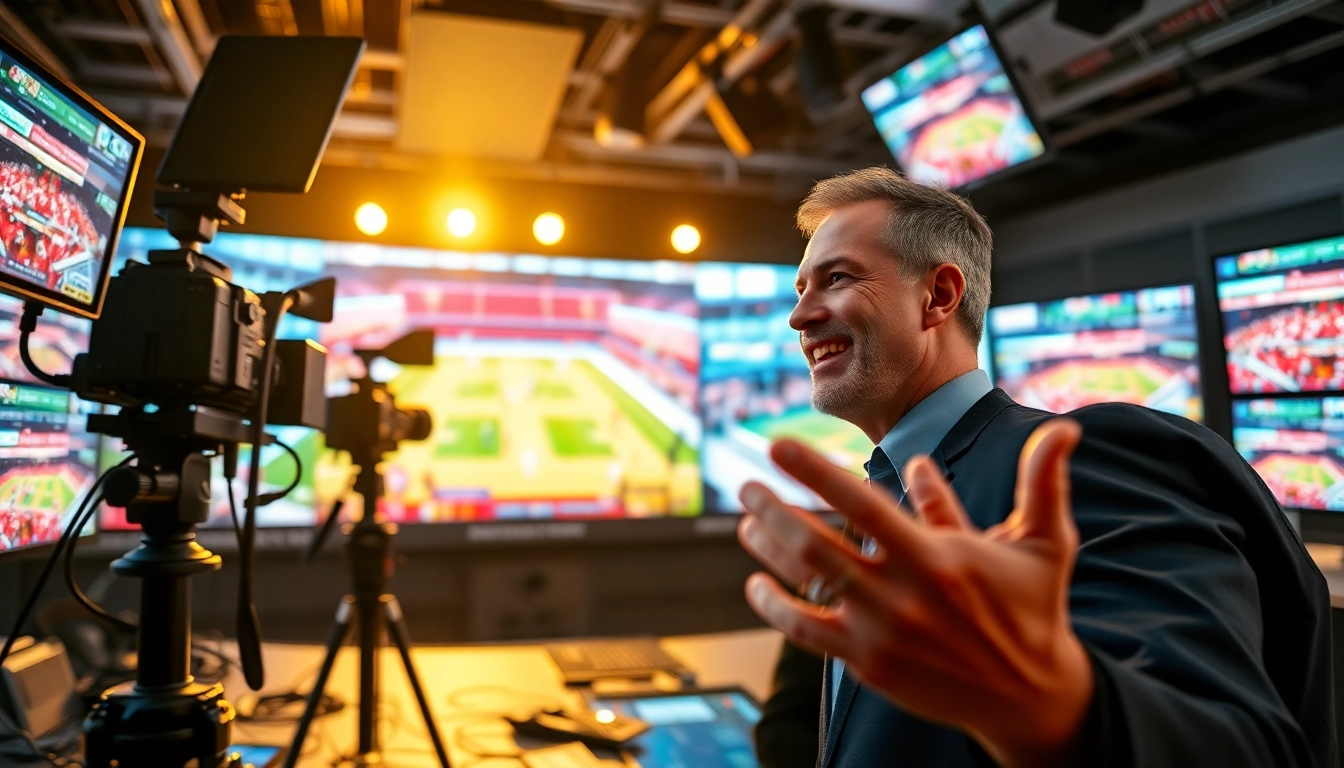
Understanding the Basics of Sports Broadcasting
Definition and Overview of Sports Broadcasting
Sports broadcasting encompasses the distribution of live or recorded sporting events through various media platforms, including television, radio, and digital channels. This vital industry not only serves to entertain but also connects fans with their favorite teams and athletes. A well-executed Sports Broadcasting event can greatly enhance viewer experience and engagement, showcasing the excitement and drama of live sports while conveying crucial information to the audience.
Key Components of a Successful Broadcast
To ensure viewers remain engaged, sports broadcasts must be meticulously planned and executed. Key components include:
- Production Quality: High-definition video and clear audio quality are essential for an immersive experience.
- Expert Commentary: Knowledgeable commentators who can provide insights, analysis, and engage in lively discussions enhance the viewing experience.
- Camera Angles: Utilizing various camera placements, including aerial shots, replays, and close-ups, offers a comprehensive view of the game.
- Graphics and Statistics: Real-time statistics and engaging graphics can help inform viewers and keep them entertained.
Typical Roles in Sports Broadcasting
A successful sports broadcast relies on a team of professionals with varied skill sets. Typical roles include:
- Producers: Oversee the entire production, ensuring everything runs smoothly and on schedule.
- Directors: Manage the visual aspects of the broadcast, including camera work and graphics integration.
- Commentators and Analysts: Provide insightful commentary and analysis to enhance the viewer's understanding and enjoyment of the event.
- Camera Operators: Capture live footage of the action from multiple angles to provide comprehensive coverage.
- Audio Engineers: Ensure high-quality sound for commentary, crowd reactions, and in-game sounds.
The Technical Side of Sports Broadcasting
Essential Equipment for Sports Broadcasting
The technical aspects of sports broadcasting require a variety of specialized equipment. Essential tools include:
- Cameras: Multi-angle cameras and high-speed cameras, including drones for aerial shots.
- Microphones: High-quality microphones for clear audio capture, including lapel mics for on-field interviews.
- Switchers: Hardware that allows directors to easily transition between different video feeds.
- Graphics Equipment: Tools for creating dynamic and engaging on-screen graphics and statistics.
Choosing the Right Software and Tools
In addition to physical hardware, sports broadcasters rely on various software tools for editing, streaming, and production. Popular software options include:
- Editing Software: Programs like Adobe Premiere Pro or Final Cut Pro for post-production editing.
- Streaming Platforms: Services such as OBS Studio or Wirecast for live streaming broadcasts across multiple platforms.
- Communication Tools: Team coordination software like Slack ensures seamless communication among crew members.
Broadcasting Techniques for Quality Output
High-quality output requires adherence to specific broadcasting techniques. These include:
- Practice and Preparation: Pre-event briefings and rehearsals to ensure everyone knows their roles and responsibilities.
- Technical Checks: Regular testing of equipment to avoid malfunctions during live broadcasts.
- Using Replay Technologies: Integrating instant replay features to enhance viewer experience and provide additional context to the action.
Engaging Your Audience through Sports Broadcasting
Creating Compelling Narratives
Storytelling is an essential aspect of sports broadcasting. Creating compelling narratives around teams, players, and events fosters emotional connections with the audience. To craft engaging stories:
- Focus on Backstories: Share personal stories of athletes to create a more relatable experience for viewers.
- Highlight Rivalries: Emphasize the history and drama of rivalries, creating tension that resonates with fans.
- Use Real-time Updates: Provide live updates about player statistics, match developments, and injury reports to maintain engagement.
Utilizing Social Media for Broadcast Promotion
Social media is a powerful tool for promoting sports broadcasts. Broadcasters can leverage platforms like Twitter, Instagram, and Facebook to:
- Engage with Fans: Post updates, engage in conversations, and share behind-the-scenes content.
- Create Event Hashtags: Facilitate discussions and increase visibility with dedicated hashtags.
- Host Live Q&As: Provide fans with opportunities to interact with commentators or athletes directly.
Interactivity and Viewer Participation Strategies
Enhancing viewer participation can significantly improve engagement levels. Strategies to consider include:
- Live Polls and Quizzes: Engaging the audience with interactive content encourages participation.
- Feedback Channels: Create platforms for viewers to share their opinions, enhancing their sense of involvement.
- Online Communities: Foster fan engagement by creating dedicated spaces for discussions and debates.
Best Practices in Sports Broadcasting
Adapting to Evolving Industry Standards
The sports broadcasting industry is continually evolving with new technologies and viewer expectations. Best practices include:
- Staying Updated: Keep abreast of industry trends and adapt strategies accordingly.
- Embracing New Technologies: Incorporate virtual reality and augmented reality for enhanced viewer experiences.
- Continuous Learning: Attend workshops and training to improve technical skills and adapt to changing formats.
Ensuring Compliance with Broadcasting Regulations
Sports broadcasters must navigate a complex landscape of legal regulations, ensuring compliance with laws governing content distribution. Key considerations include:
- Licensing Agreements: Acquire necessary rights for broadcasting specific events or content.
- Advertising Regulations: Follow guidelines related to advertising and sponsorship disclosures during broadcasts.
- Content Restrictions: Abide by rules regarding the broadcast of specific types of content, including replays and highlights.
Building a Personal Brand in Sports Broadcasting
A strong personal brand can set a broadcaster apart in a competitive field. Strategies for building a personal brand include:
- Showcase Expertise: Highlight skills and unique insights through social media or public speaking engagements.
- Network Actively: Connect with others in the industry to share experiences and opportunities.
- Consistent Content Creation: Produce regular, high-quality content that reflects your personal style and interests.
Measuring Success in Sports Broadcasting
Analyzing Audience Metrics
Measuring success is vital for sports broadcasters to ensure they meet audience expectations. Key metrics to analyze include:
- Viewership Numbers: Monitor live viewers, as well as engagement levels on digital platforms.
- Demographic Data: Understand audience demographics to tailor content effectively.
- Engagement Metrics: Track likes, shares, comments, and interactions on social media and online platforms.
Feedback Loops and Continuous Improvement
Establishing feedback mechanisms is crucial for growth. Effective strategies include:
- Surveys and Polls: Regularly solicit feedback from viewers to understand their preferences and concerns.
- Post-Event Analysis: Conduct thorough reviews of each broadcast to identify strengths and areas for improvement.
- Act on Feedback: Implement viewer suggestions and criticisms to enhance future broadcasts.
Case Studies of Successful Sports Broadcasters
Examining successful case studies can provide valuable insights. Highlights from notable broadcasters include:
- Innovative Techniques: Explore how specific broadcasters have leveraged technology to enhance their broadcasts.
- Strong Audience Engagement: Identify effective strategies that have resulted in increased viewer loyalty and satisfaction.
- Brand Collaborations: Analyze how partnerships with brands have enriched their broadcasts and provided additional value to viewers.
Frequently Asked Questions
What is sports broadcasting?
Sports broadcasting refers to the distribution of live or recorded sports events through various platforms like TV, radio, and online media.
What equipment do I need for sports broadcasting?
Essential equipment includes cameras, microphones, switchers, and graphics tools. Quality equipment ensures better production value and viewer engagement.
How can I improve audience engagement in my broadcasts?
Engage your audience by creating compelling narratives, utilizing social media for promotion, and incorporating interactive elements during broadcasts.
What regulations should I be aware of in sports broadcasting?
Broadcasters need to comply with licensing agreements, advertising regulations, and content restrictions to avoid legal issues.
How do I analyze the success of my broadcasts?
Measure success by analyzing viewership numbers, demographic data, and engagement metrics from social media and online platforms.